
Snow Shoveling Injuries: Why They Happen and How Massage Can Help
- Rudy Legg Benavides
- Jan 27
- 2 min read




Snow and ice might look peaceful, but shoveling them is one of the most injury-prone winter activities. Every year, people experience back pain, shoulder strains, neck stiffness, and even wrist injuries after clearing sidewalks and driveways. The combination of cold temperatures, heavy snow, awkward twisting, and repetitive motion can quickly overwhelm muscles and joints, especially if your body isn’t warmed up.
Common Injuries from Shoveling Snow and Ice
Some of the most frequent issues we see after winter storms include:
Lower back strains from bending at the waist instead of the knees
Shoulder and rotator cuff pain from lifting heavy or wet snow
Neck and upper-back tension caused by hunching against the cold
Hip and knee soreness from uneven footing on ice
Wrist and forearm strain from gripping the shovel repeatedly
Cold weather also reduces muscle elasticity, making injuries more likely and recovery slower.
How Massage Therapy Supports Recovery
Massage therapy is an effective, natural way to address both the pain and the underlying muscle dysfunction caused by snow shoveling.

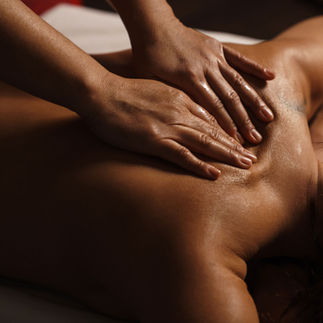


Targeted Treatments for Winter Injuries:
Deep Tissue Massage – Releases deep muscle tension and chronic tightness
Focused Therapeutic Massage – Precision work for problem areas like the low back, shoulders, and hips
Therapeutic Stretching – Restores mobility and prevents future injury
Cupping Therapy – Increases circulation and speeds recovery
Compression Therapy – Reduces inflammation and muscle fatigue
✨ Don’t wait for pain to become your new normal. Early treatment leads to faster recovery, better mobility, and long-term relief.
Key Benefits of Massage After Shoveling
Relieves muscle tension by breaking up tight, overworked tissue
Improves circulation, helping bring oxygen and nutrients to sore areas
Reduces inflammation and supports faster healing
Restores mobility in stiff shoulders, hips, and spine
Promotes relaxation, lowering stress that can intensify pain
Targeted therapeutic massage can address problem areas like the lower back, shoulders, neck, and hips—helping prevent a minor strain from turning into a long-term issue.
Listen to Your Body This Winter
If you’re feeling sore, stiff, or run-down after shoveling snow or ice, your body may be asking for support. Massage therapy offers a safe, effective way to recover, reset, and get back to your routine—without relying solely on pain medication.


Comments